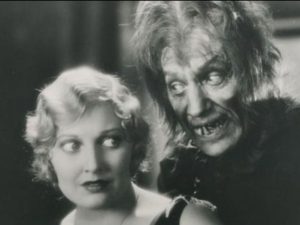
 Un maledetto capodanno
Online event
- Un maledetto capodanno
, 31 December 2020 – 1 January 2021
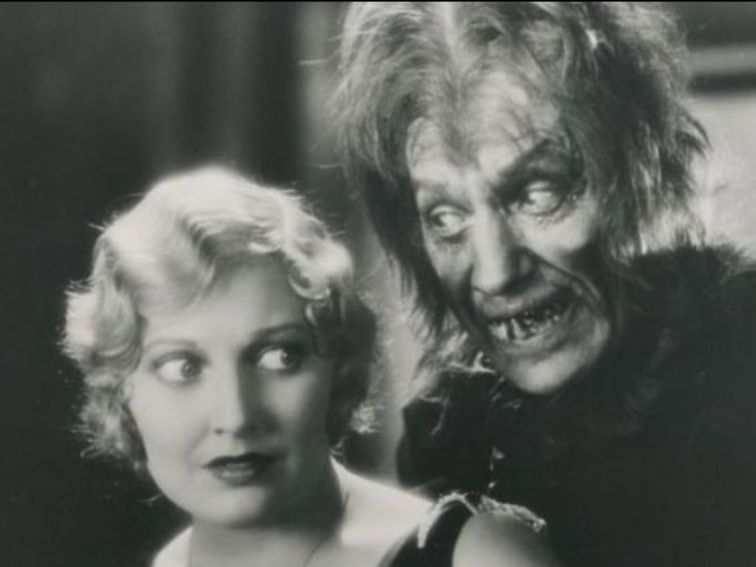
- From the restored edition of Il carretto fantasma (The Phantom Carriage) by the Swedish master Victor Sjöström, to La scala di Satana (Häxan), a horror masterpiece by the Dane Benjamin Christensen, and Rapsodia satanica by Nino Oxilia, a total work of art built around the extraordinary performance of Lyda Borelli.
Also on the programme, the celebrated Expressionist retelling of Goethe’s masterpiece, Faust by Friedrich Wilhelm Murnau, and the epic Sodoma e Gomorra by Michael Curtiz, a contemporary reworking of the myth that represents the high point of the European career of the Hungarian director who, having emigrated to the USA in 1926, found worldwide fame with Casablanca.
- Tickets €3.00 via Cineteca Milano.
-
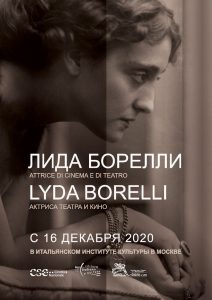 Lyda Borelli, actress of stage and screen
Online event
- Lyda Borelli, actress of stage and screen
, 16 December 2020
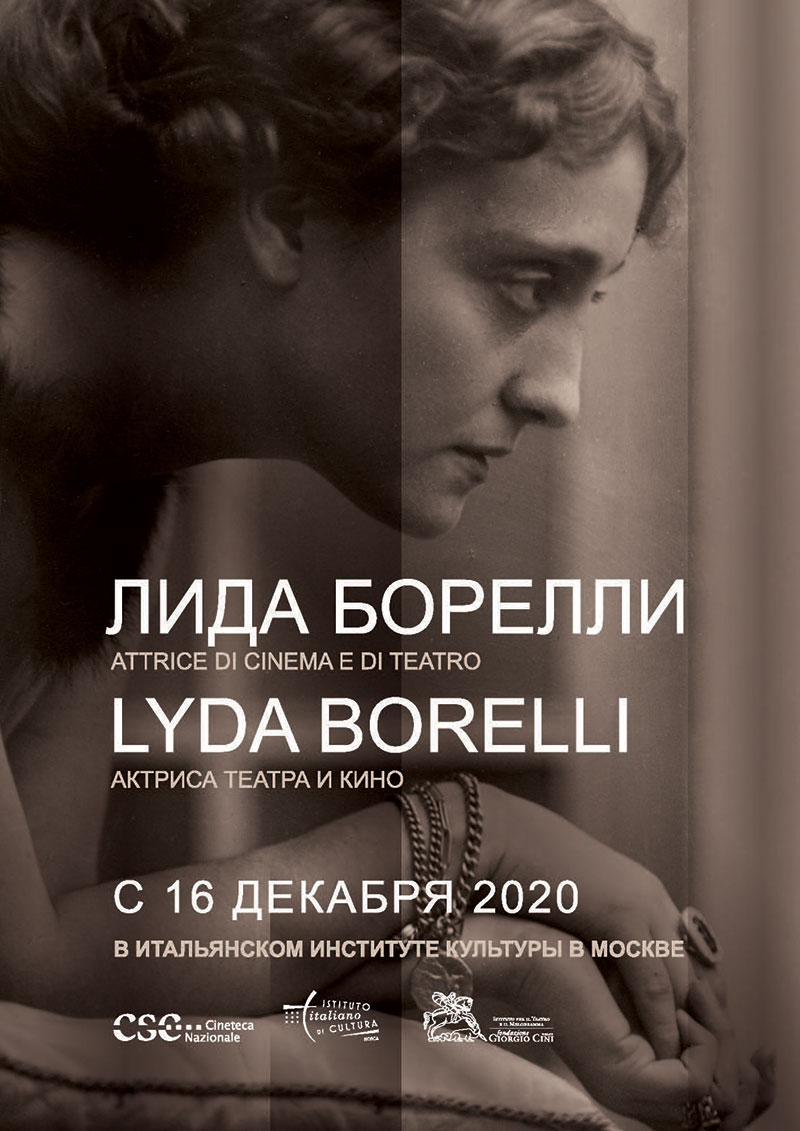
- On 16 December 2020, at 5.00pm Italian time, the Istituto Italiano di Cultura in Moscow, in collaboration with the Istituto per il Teatro e il Melodramma, presents Lyda Borelli, actress of stage and screen: an event devoted to the great actress Lyda Borelli (La Spezia, 1887 – Rome, 1959), one of the most fascinating Italian performers of the early twentieth century, a Liberty-style icon and a symbol of modernity and the avant-garde.
Her life and art are traced through a virtual tour of the panel exhibition Lyda Borelli attrice di cinema e teatro, conceived and curated by Maria Ida Biggi and Marianna Zannoni; a screening of excerpts from the film La memoria dell’altro (Alberto Degli Abbati, 1913), restored in 2017 by the Cineteca Nazionale – Fondazione Centro Sperimentale di Cinematografia in Rome, with live musical accompaniment by pianist Filipp Cheltso; and a presentation given by Maria Ida Biggi and Marianna Zannoni, editors of the volume Il Teatro di Lyda Borelli (Fratelli Alinari, Florence 2017).
- The event takes place online and can be viewed on the Facebook page of the Istituto Italiano di Cultura in Moscow and, afterwards, on that of the Fondazione Giorgio Cini.
-
 Ferrara Film Festival 2020
Ferrara
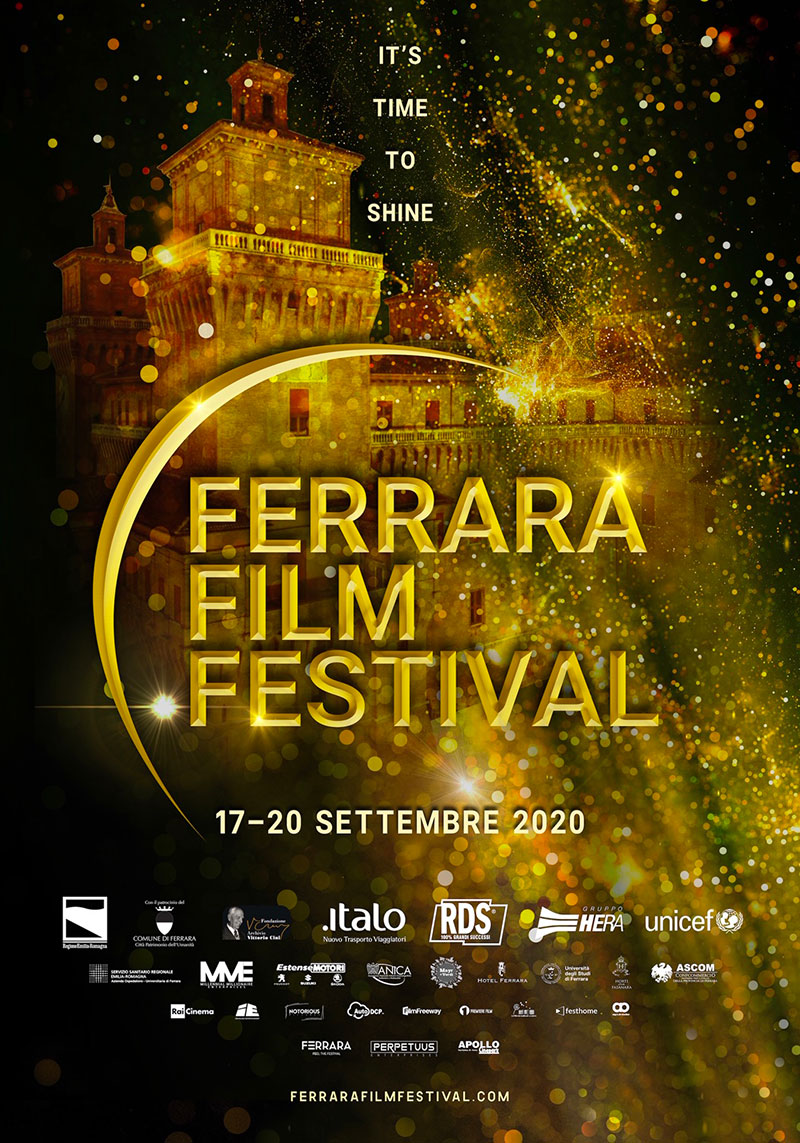
- Ferrara Film Festival 5 , 17-20 September 2020
- The fifth edition of the Ferrara Film Festival opened on 17 September, in a reduced form because of Covid-19 restrictions.
Only the winning films in the 13 categories were screened, together with the premiere of The Poison Rose (USA, 2019), directed by Francesco Cinquemani and George Gallo, starring John Travolta and Morgan Freeman.
The version screened at the FFF was the director’s cut, with 20 minutes of previously unseen scenes filmed in Rome, and was accompanied by the presence of the director and some of the film’s cast.
Several notable events were also on the programme, including the Golden Dragon lifetime-achievement awards presented to international star Nastassja Kinski, celebrated Italian actor Alessandro Haber and multi-award-winning director Bille August.
Each Golden Dragon award bears the inscription “Presented by Fondazione Archivio Vittorio Cini”.
The Ferrara Film Festival draws on prestigious partners such as the Comune di Ferrara, ASCOM, UNICEF Italia and the US Embassy in Italy. Another key element tied to the city of Ferrara is its partnership with Giovanni e Vittorio Alliata di Montereale and the Archivio Vittorio Cini.
-
Press
- Lavorare nel cinema è sogno e bellezza, Il Resto del Carlino, 18 September 2020
- Nastassja Kinski e Alessandro Haber alzano i Dragoni d’oro, estense.com, 18 September 2020
- Ferrara accoglie Nastassja Kinski e Alessandro Haber: “Grati di essere qui, città protagonista della storia del cinema”, Cronaca Comune, 18 September 2020
- A Rutigliano appuntamento con la rassegna «Cinema muto & Live music», Baritoday, 18 August 2020
- Cineteca di Milano, ultimi arrivi, streaming service, 22 April 2020
-
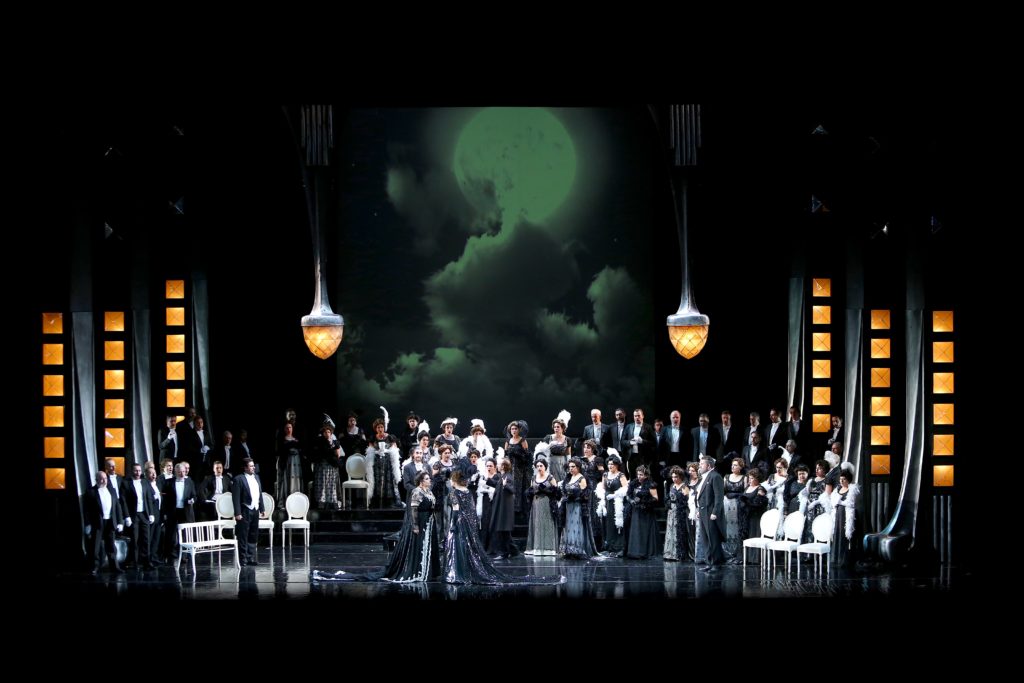
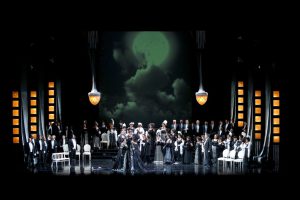 Adriana Lecouvreur – photo by Marcello Orselli
Genoa, Teatro Carlo Felice
- Adriana Lecouvreur, 12-16 February 2020
- Adriana Lecouvreur |
Francesco Cilea
Casa Musicale Sonzogno edition,
by Piero Ostali – Milan
Conductor, Valerio Galli
Direction, sets and costumes, Ivan Stefanutti
Assistant director, Filippo Tadolini
Choreography, Michele Cosentino
Lighting, Paolo Mazzon
Cast: Barbara Frittoli, Amarilli Nizza and Valentina Boi (Adriana); Marcelo Álvarez, Fabio Armiliato and Gianluca Terranova (Maurizio di Sassonia); Judit Kutasi and Giuseppina Piunti (Princess of Bouillon); Devid Cecconi and Alberto Mastromarino (Michonnet); Federico Benetti (Prince of Bouillon); Didier Pieri (Abbé de Chazeuil).
Production by the Associazione Lirica Concertistica Italiana (As.Li.Co.)
Orchestra and Chorus of the Teatro Carlo Felice
Chorus master, Francesco Aliberti
- Adriana Lecouvreur was a celebrated actress in early-eighteenth-century Paris. She was the toast of the capital’s stages, performing the works of Racine and Voltaire. Her beauty and talent captivated men, and legend has it that she died poisoned by a rival in love. A character born to become literature: indeed, Eugène Scribe and Ernest Legouvé made her the protagonist of a stage drama, one that won over the “gentle” verismo of Francesco Cilea: “the variety of the plot”, the composer said of the subject, “which offered me fresh, elegant situations, the blending of comedy and drama within an eighteenth-century setting that I knew well, and the passionate love of the protagonist, touched my heart and fired my imagination.” Its premiere, in 1902 at the Teatro Lirico in Milan (with Enrico Caruso in the cast), was a great success.
Ivan Stefanutti, who directs this Associazione Lirica Concertistica Italiana (As.Li.Co.) production and also designed its sets and costumes, moves the opera from the early 1700s to the period in which it was composed: a fin de siècle setting in which Adriana’s diva-like quality stands out, taking on the poses typical of the great actresses of the early twentieth century — an Adriana as silent-film star, so to speak, of the very kind that was emerging just as Cilea was working on the opera. “Adriana,” the director explains, “is an actress descended from the line of Sarah Bernhardt. In the classical theatre, new names were emerging: Eleonora Duse, Gys Leda, Francesca Bertini and Lyda Borelli.” And indeed it was Lyda Borelli who made her stage debut in 1902 as “Adriana Lecouvreur”, and who would later link her name to music by starring in Oxilia’s film “Rapsodia satanica”, for which Pietro Mascagni wrote the score.
“I find that Adriana resembles these ‘humble handmaidens’ far more than the women who actually lived in the 1700s.“
-

 Un maledetto capodanno
 Lyda Borelli, actress of stage and screen
 Ferrara Film Festival 2020
 Adriana Lecouvreur – photo by Marcello Orselli